
 Get a Free Quote
 Home /
How Linerless Labels and Smart Label Technologies Are Changing Packaging
Related Posts
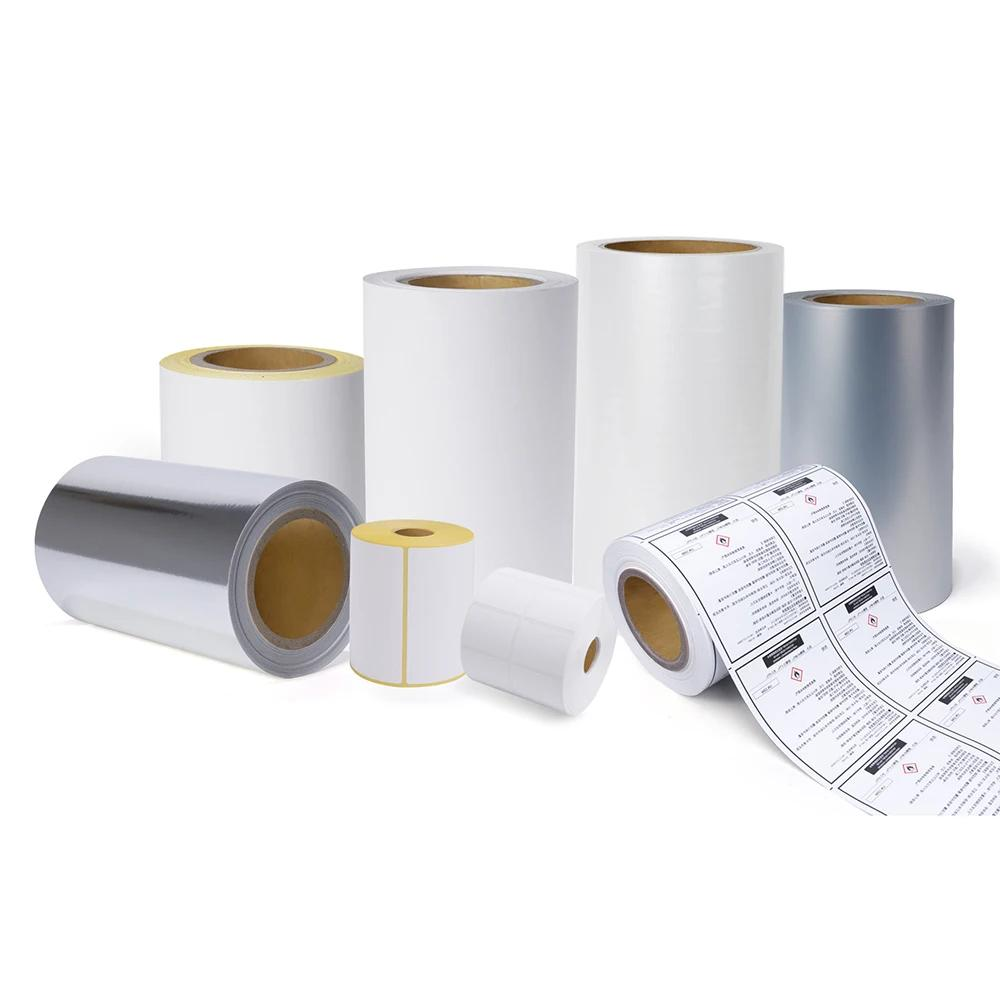
How to Choose the Right Adhesive Label Material for Your Application?
Jul 27, 2026
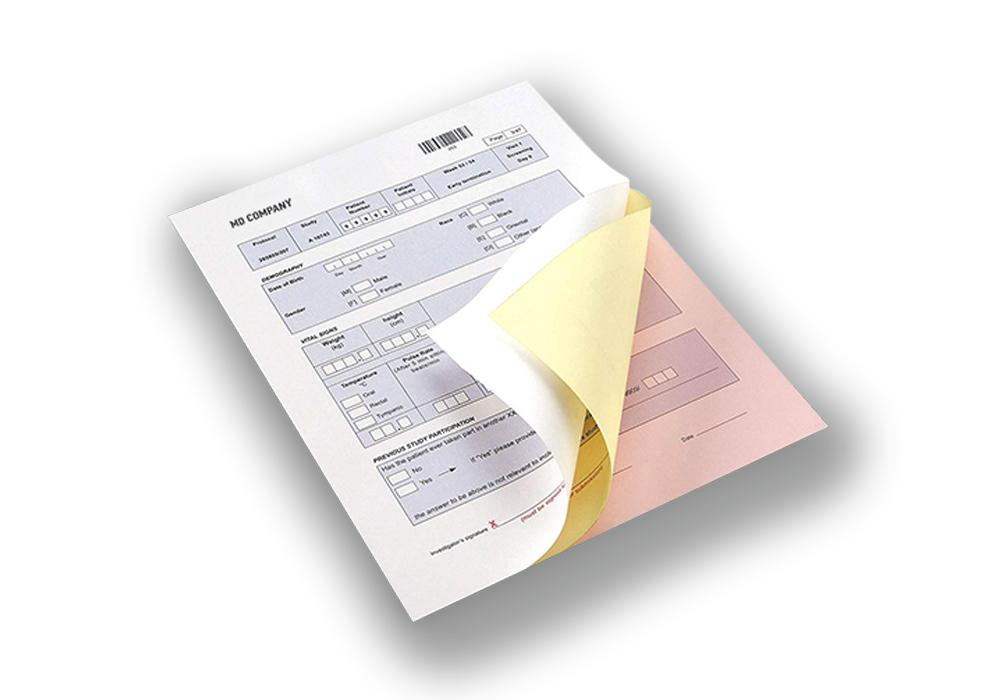
How to Choose Carbonless Paper for Multi-Part Business Forms?
Jul 26, 2026
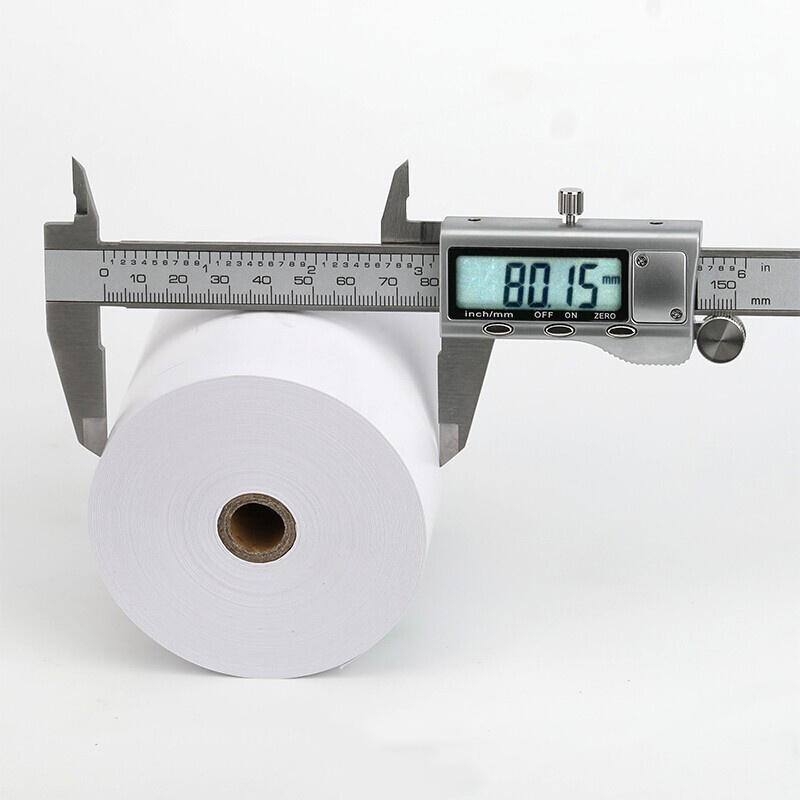
How Do You Calculate Thermal Paper Roll Length from GSM and Diameter?
Jul 25, 2026
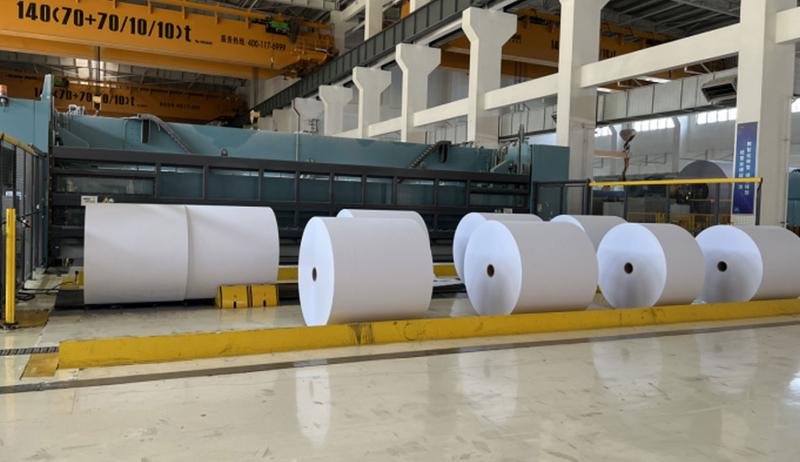
How to Choose Jumbo Thermal Paper Rolls for Slitting and Converting?
Jul 23, 2026
Labels have always had a straightforward job: display information and stay attached to a product. But in today's packaging and logistics operations, businesses expect more from them. A label may need to support barcode scanning, product identification, inventory tracking, or exposure monitoring, all while keeping material consumption under control.
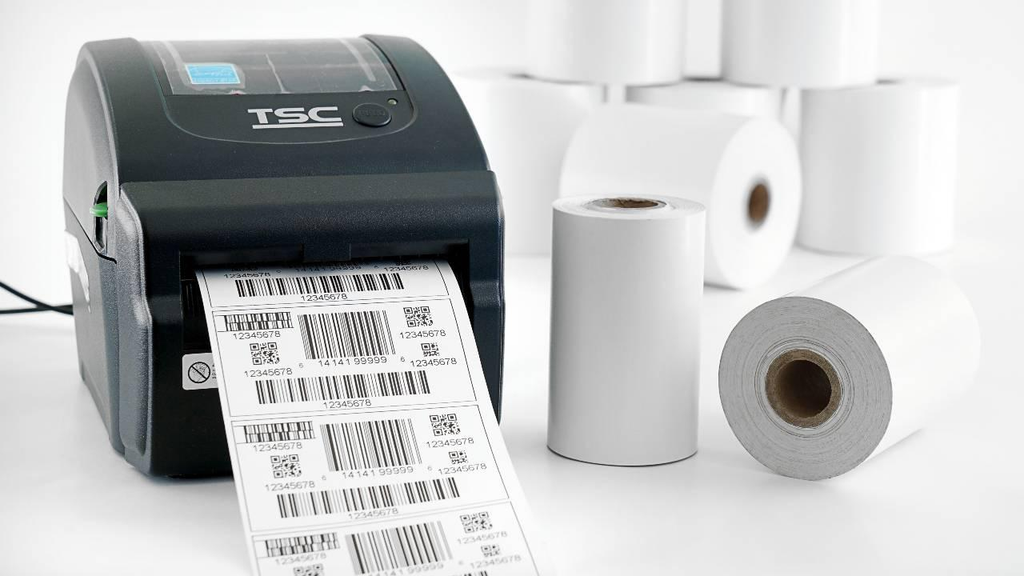
Two developments are influencing how businesses approach these requirements: linerless labels, which eliminate conventional backing paper, and advanced labeling technologies, which add identification, durability, or monitoring capabilities.
Although they solve different problems, both reflect a broader shift toward more efficient and functional labeling systems.
What Are Linerless Labels and How Do They Work?
Linerless labels are pressure-sensitive labels manufactured without the separate release liner found in conventional self-adhesive labels.
A traditional label consists of three main components: the face material, adhesive, and release liner. Once the label is applied, the liner becomes waste.
Linerless labels use a different construction. A release coating on the printable surface and a compatible adhesive on the reverse allow the material to be wound into a roll without separate backing paper.
During printing, a compatible linerless printer feeds the material and cuts it to the required length.
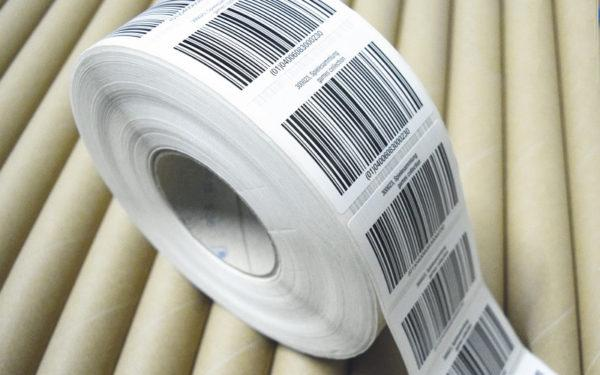
This design offers several potential advantages:
- Less release liner waste during label application.
- More usable label material within a comparable roll diameter.
- Fewer roll changes in suitable high-volume operations.
- Reduced handling and storage of discarded backing materials.
- Flexible label lengths when supported by the printing system.
These advantages are particularly relevant to food retail, takeaway packaging, weighing operations, and logistics environments where labels are printed frequently.
However, linerless labels are not compatible with every printer. Businesses should confirm equipment compatibility, adhesive behavior, and cutting requirements before adopting them.
How Linerless Labels Help Reduce Packaging Waste
Reducing material consumption is one of the main reasons businesses consider linerless labeling.
In conventional label applications, release liners protect the adhesive before application. Although essential to traditional label construction, this material must be collected and disposed of or recycled after use.
Removing the liner can reduce the volume of waste generated during labeling operations.
There may also be practical benefits. When more usable labels fit on a roll, operators may spend less time replacing rolls, particularly in high-frequency printing environments.
Still, the environmental benefits should be evaluated across the full labeling process. Adhesive chemistry, face material, printer energy consumption, packaging, and waste management all affect the overall result.
For businesses comparing labeling systems, material efficiency should be considered alongside printing reliability, equipment cost, and operational requirements.
Smart Label Technologies and Their Applications
While linerless construction focuses on reducing unnecessary material, other labeling technologies are expanding what labels can do.
These technologies serve different functions and should be distinguished when selecting label materials.
RFID and NFC Labels for Digital Identification
RFID and NFC labels incorporate electronic components that allow information to be read using compatible devices.
Depending on the technology and system design, they can support inventory identification, asset management, product authentication, and logistics tracking.
Unlike conventional printed barcodes, certain RFID systems can identify tagged items without requiring direct optical line-of-sight scanning.
However, these capabilities depend on the tag, reader, operating environment, and supporting software.
Temperature and Environmental Indicator Labels
Some specialized labels incorporate indicators that respond to temperature exposure or other environmental conditions.
These are useful in applications where handling conditions may affect product quality, including certain cold-chain and healthcare logistics operations.
Indicator labels do not necessarily provide continuous electronic monitoring. Their functions depend on the indicator technology, activation conditions, and specified operating range.
Variable Data Labels for Traceability
Variable data printing allows businesses to add changing information to individual labels, including:
- Batch and lot numbers.
- Serial numbers.
- Barcodes and QR codes.
- Manufacturing and expiration dates.
- Product and shipment identifiers.
When integrated with inventory or production systems, these labels help connect physical products with digital records.
Variable data printing does not automatically make a label an electronic smart label, but it plays an important role in modern traceability systems.
Linerless Labels vs. Conventional Label Rolls
Choosing between linerless and conventional labels involves more than comparing the cost of label material.
Backing material: Conventional pressure-sensitive labels generally use a release liner, while linerless labels eliminate this separate backing layer.
Printing equipment: Conventional label rolls are supported by a broad range of label printers. Linerless media usually requires equipment specifically designed or approved for its construction.
Label sizes: Many linerless printing systems support variable-length labels, while conventional die-cut labels typically have predefined dimensions.
Operational efficiency: Linerless rolls may offer longer usable material lengths and fewer roll changes, depending on roll specifications and the application.
Material selection: Conventional label constructions provide a wide range of established facestock, adhesive, liner, and die-cutting options.
Neither system is automatically better for every business. The right choice depends on printing volume, equipment configuration, application conditions, and total operating cost.
How to Choose Label Materials for Different Applications
Label performance depends on several material and printing decisions.
A label used for short-term shipping identification has different requirements from one attached to industrial equipment for several years.
Direct Thermal Labels for Short-Term Identification
Direct thermal labels produce images when heat activates a specially coated surface. They do not require a separate printing ribbon.
They are commonly used for shipping labels, retail price identification, supermarket weighing, and other applications where information is needed for a relatively short period.
However, direct thermal images may fade when exposed to heat, sunlight, abrasion, or certain chemicals.
Thermal Transfer Labels for Durable Printing
Thermal transfer printing uses a heated printhead and ribbon to transfer an image onto compatible label materials.
With the appropriate ribbon and facestock combination, this method can provide greater resistance to abrasion, moisture, and environmental exposure.
Typical applications include warehouse identification, electronic component tracking, industrial equipment labels, and long-term asset identification.
Material selection remains important because print durability depends on the complete combination of label substrate, ribbon, adhesive, and operating conditions.
Adhesives and Facestock Selection
Before selecting a label, buyers should consider the surface to which it will be applied, the application temperature, and the conditions it will encounter.
Common facestock options include coated paper, synthetic paper, and PET films.
Adhesives may be formulated for general-purpose use, low-temperature application, or specific high-temperature conditions.
For example, a label applied to refrigerated packaging may require different adhesive properties from a label used on a dry warehouse carton.
Testing the complete label construction under actual operating conditions helps prevent peeling, curling, poor print quality, and scanning failures.
Why Label Performance Matters in Supply Chain Operations
Labels are increasingly connected to warehouse management, transportation, inventory control, and product traceability.
A printed barcode or serial number may link a physical product to an enterprise resource planning (ERP) or warehouse management system (WMS).
If a label becomes unreadable or detaches from its surface, the issue can extend beyond the label itself.
It may interrupt scanning, delay product identification, or require manual correction of inventory records.
For this reason, label purchasing decisions should consider not only unit price but also print readability, adhesive reliability, material durability, and compatibility with the intended printing system.
A reliable label is part of an efficient information workflow.
Choosing Label Materials with Mufeng Paper
For businesses sourcing labels in bulk, material selection should begin with the intended application rather than a single preferred printing method.
Mufeng Paper supplies label materials and related printing products for commercial applications, including direct thermal and thermal transfer labeling requirements.
Our Label Sticker Solutions cover labeling
Share on Social:


Contact Us
In This Article
Related Posts
How to Choose the Right Adhesive Label Material for Your Application?
Jul 27, 2026
How to Choose Carbonless Paper for Multi-Part Business Forms?
Jul 26, 2026
How Do You Calculate Thermal Paper Roll Length from GSM and Diameter?
Jul 25, 2026
How to Choose Jumbo Thermal Paper Rolls for Slitting and Converting?
Jul 23, 2026