
 Get a Free Quote
 Home /
How to Choose the Right Adhesive Label Material for Your Application?
Related Posts
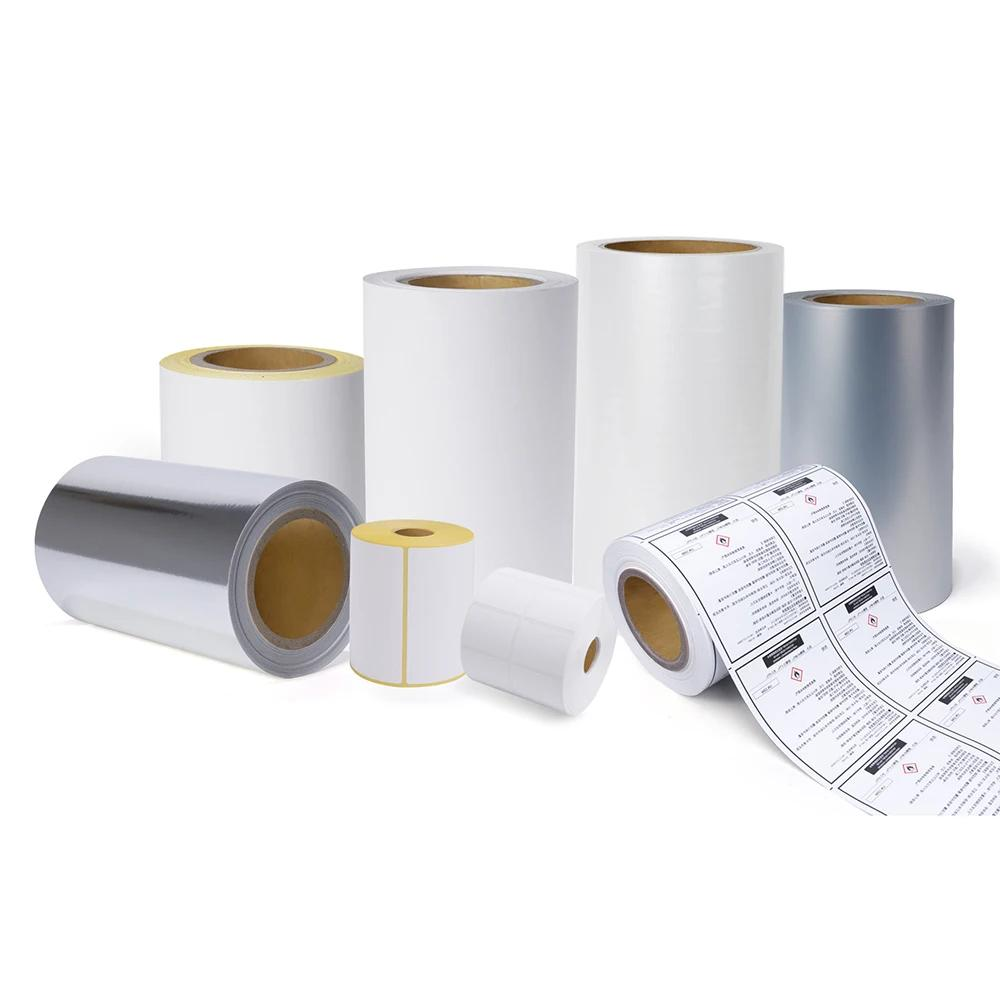
How to Choose the Right Adhesive Label Material for Your Application?
Jul 27, 2026
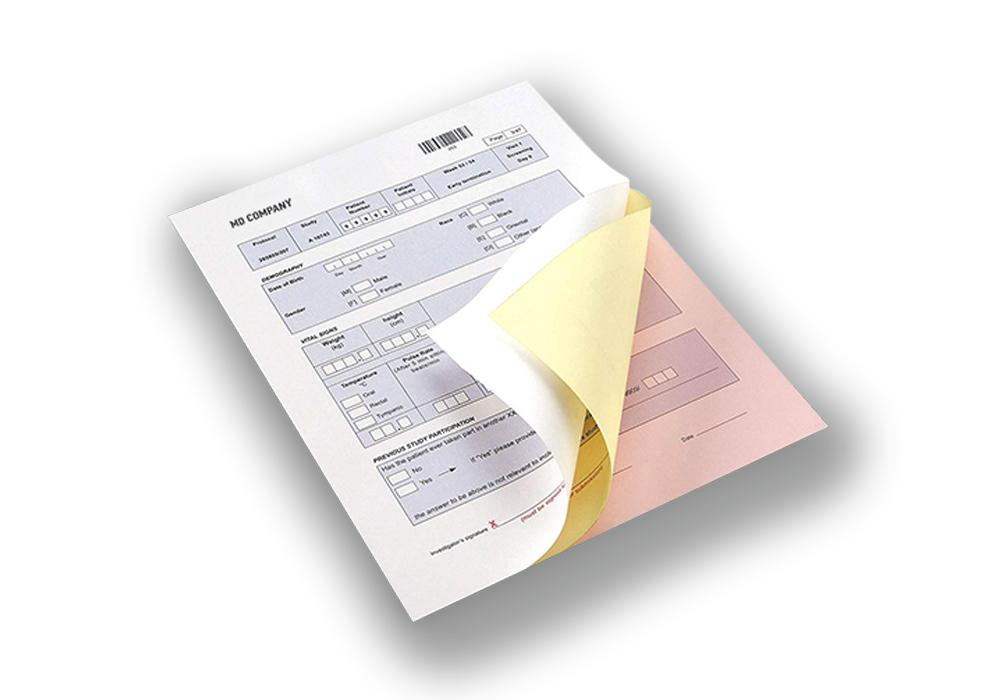
How to Choose Carbonless Paper for Multi-Part Business Forms?
Jul 26, 2026
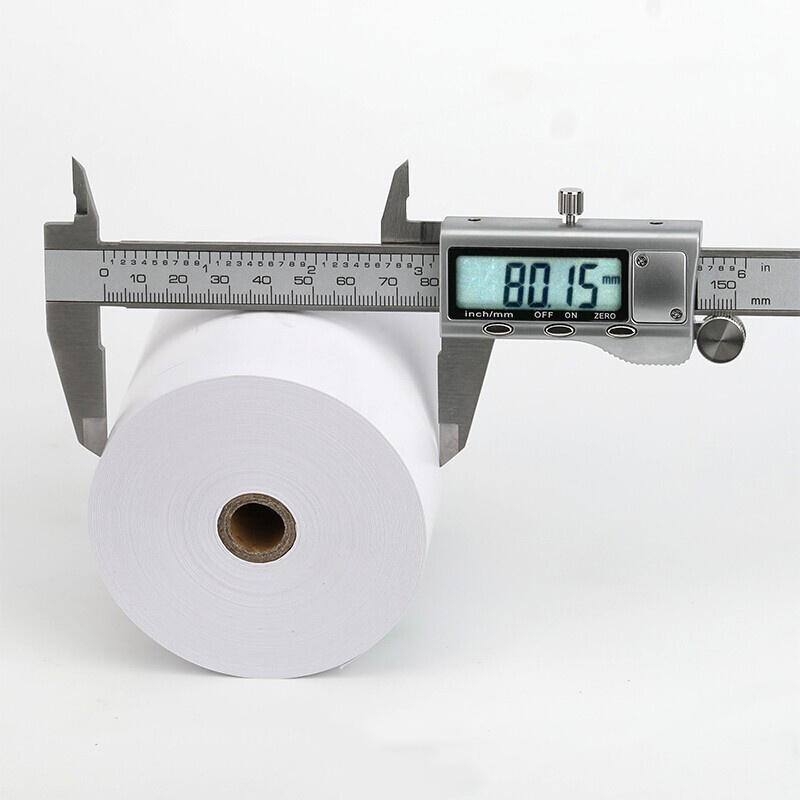
How Do You Calculate Thermal Paper Roll Length from GSM and Diameter?
Jul 25, 2026
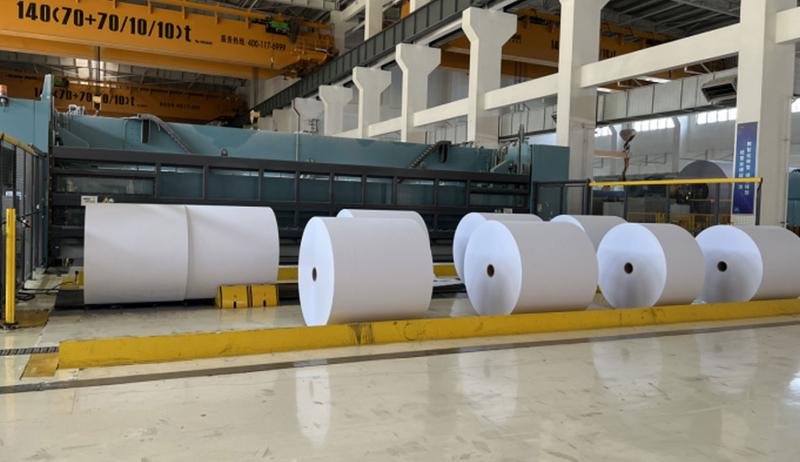
How to Choose Jumbo Thermal Paper Rolls for Slitting and Converting?
Jul 23, 2026
How to Choose the Right Adhesive Label Material for Your Application?
A label that works perfectly on a cardboard shipping box may fail on a refrigerated bottle. Likewise, a label designed for temporary pricing may leave unwanted residue when applied to a reusable container.
That's why choosing an adhesive label involves more than finding the right size or appearance.
The right adhesive label material depends on the application surface, printing method, expected service life, environmental exposure, and adhesive requirements. Paper labels are often suitable for everyday packaging, while synthetic materials such as polypropylene (PP) and polyester (PET) can offer better resistance to moisture, tearing, and demanding handling conditions.
Here's how to choose the right construction for your application.
1. Understand the Three Main Components of an Adhesive Label
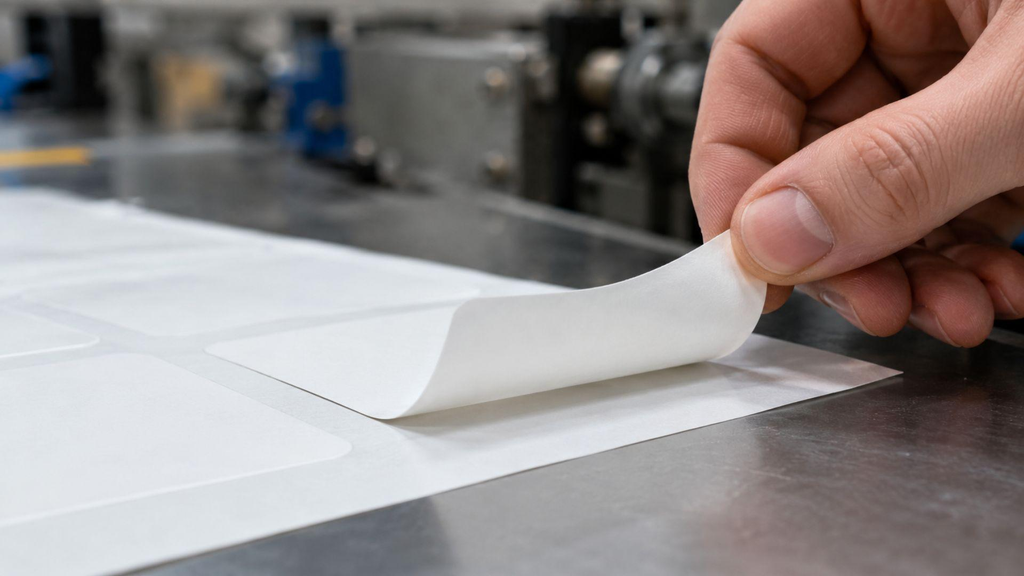
Most conventional pressure-sensitive labels consist of three functional layers.
Facestock
The facestock is the visible material that carries printed text, barcodes, graphics, or product information. It may be made from paper, synthetic film, or other specialized materials.
Adhesive
The adhesive bonds the label to a package, container, or other surface. Its performance depends on the formulation, application conditions, and substrate.
Release Liner
The release liner protects the adhesive before application and supports the label during printing, die-cutting, and dispensing.
These three components must work together. A durable facestock cannot compensate for an adhesive that fails on the intended surface.
2. Paper vs PP vs PET: Which Label Material Is Better?
Paper, polypropylene, and polyester labels have different strengths.
| Material | Main Characteristics | Common Applications |
|---|---|---|
| Matte Paper | Cost-effective, printable, generally suited to dry indoor conditions | Shipping, retail, carton labels |
| Gloss Paper | Smooth appearance for graphics and product information | Product packaging, promotional labels |
| Polypropylene (PP/BOPP) | Flexible film with good resistance to moisture and tearing | Bottles, cosmetics, consumer packaging |
| Polyester (PET) | Dimensionally stable, durable film available in specialized constructions | Equipment identification, industrial labels |
Paper Labels
Paper is a practical choice for routine packaging and product identification where exposure to moisture or abrasion is limited.
PP Labels
Polypropylene is often selected for bottles and consumer products that require a flexible, moisture-resistant film.
PET Labels
Polyester is useful for applications requiring greater dimensional stability and resistance to demanding conditions, depending on the specific grade.
No material is universally best. The final performance depends on the complete label construction.
3. Choose the Adhesive Based on the Application Surface
Label adhesion is strongly influenced by the surface receiving the label.
A smooth glass bottle, textured corrugated carton, and low-surface-energy plastic container may require different adhesive formulations.
Common adhesive categories include:
- Permanent Adhesives: Designed for long-term attachment.
- Removable Adhesives: Intended to allow removal under specified conditions.
- Repositionable Adhesives: Designed to permit initial adjustment before final placement.
- Specialty Adhesives: Developed for particular temperature ranges, surfaces, or exposure conditions.
Permanent does not mean that every label will stick equally well to every material.
For example, some plastics are difficult to bond because of their low surface energy.
Before selecting an adhesive, identify the application surface and decide whether the label must remain attached or be removed later.
4. Consider Temperature, Moisture, and Handling Conditions
Environmental conditions can determine whether a label remains readable and securely attached.
Ask yourself where the label will be applied, stored, and used.
For example:
Indoor Retail Packaging
Standard paper labels may be sufficient for clean, dry packages stored at normal indoor temperatures.
Refrigerated Products
Labels may require suitable moisture resistance and an adhesive designed for the relevant application and service temperatures.
Outdoor Equipment
A synthetic facestock with an appropriate printing system and adhesive may be needed to withstand sunlight, moisture, and handling.
Industrial Identification
PET or other specialized materials may be appropriate when resistance to chemicals, abrasion, or temperature variation is important.
Remember that application temperature and service temperature are different. A label applied to a warm, dry surface may behave differently from one applied directly to a cold container.
5. Match the Facestock to Your Printing Method
Choosing the right facestock also means understanding how the label will be printed.
Direct Thermal Printing
Direct thermal labels use heat-sensitive coatings to produce images without a separate ink ribbon.
They are commonly used for shipping, logistics, retail, and other identification applications where the selected grade meets the expected service conditions.
Thermal Transfer Printing
Thermal transfer printers use a ribbon to transfer an image onto a compatible label surface.
With suitable ribbon and facestock combinations, this method can support applications requiring greater print durability.
Inkjet and Other Printing Methods
Inkjet labels require coatings compatible with the selected inks and printing equipment. Other printing processes also have specific material requirements.
Do not assume that a label material designed for one printing technology will perform correctly with another.
For barcode applications, always test the complete printing combination.
6. Don't Overlook the Release Liner
The release liner is sometimes overlooked because it is removed before the label reaches the final product.
However, it plays an important role during converting and application.
Common options include glassine paper liners, coated paper liners, and suitable filmic liners.
The correct choice depends on the label construction and equipment.
For automatic labeling, liner strength, release performance, die-cutting quality, and web stability can influence dispensing consistency.
For manual application, easy peeling and manageable label handling may be more important.
Confirm the liner requirements with your printing or labeling equipment supplier before placing a large order.
7. Select Label Materials for Different Applications
Different industries place different demands on label construction.
| Application | Material to Consider | Key Requirement |
|---|---|---|
| Shipping cartons | Direct thermal paper | Clear barcodes and suitable carton adhesion |
| Retail price labels | Paper | Printability and appropriate removal properties |
| Beverage bottles | PP film | Moisture resistance and container compatibility |
| Cosmetics packaging | PP or suitable coated paper | Appearance, surface compatibility |
| Industrial equipment | PET film | Durability under specified conditions |
| Cold storage | Qualified paper or synthetic construction | Adhesion at specified temperatures |
These examples are starting points rather than universal specifications.
A material suitable for one application may not work with another adhesive, printer, or substrate.
8. Test Adhesion and Print Quality Before Bulk Ordering
For B2B buyers, testing samples is one of the most effective ways to reduce purchasing risk.
Apply sample labels to the actual packaging material and evaluate them under the expected conditions.
Check:
- Initial tack and adhesive bonding
- Edge lifting or curling
- Barcode readability
- Print smudging or scratching
- Moisture resistance where required
- Removal behavior for removable labels
For automated production, also test label dispensing and application performance.
Avoid selecting materials solely from sample appearance or a general product description.
9. Prepare a Label Material Specification Sheet
A clear specification helps suppliers recommend suitable materials and prepare accurate quotations.
| Specification | Information to Confirm |
|---|---|
| Facestock | Paper, PP, PET, or specified material |
| Surface Finish | Matte, glossy, clear, or other |
| Adhesive | Permanent, removable, or specialty |
| Application Surface | Carton, glass, plastic, metal, etc. |
| Printing Method | Direct thermal, thermal transfer, inkjet, etc. |
| Label Dimensions | Width, height, and shape |
| Supply Format | Rolls or sheets |
| Liner | Material and release requirements |
| Environmental Exposure | Temperature, moisture, chemicals, sunlight |
| Order Quantity | Labels, rolls, or material area |
For bulk orders, also confirm roll core dimensions, winding direction, label gaps, and packaging requirements.
Frequently Asked Questions
What is the best material for adhesive labels?
There is no single best material. Paper is often suitable for routine indoor labeling, PP is commonly used for moisture-resistant packaging, and PET can be appropriate for more demanding identification applications. Adhesive and printing requirements are equally important.
Are polypropylene labels waterproof?
Polypropylene film generally resists water, but the performance of a finished label also depends on the printing method, adhesive, and exposure conditions. Water-resistant facestock does not automatically make the entire label construction waterproof.
What is the difference between permanent and removable label adhesives?
Permanent adhesives are intended to provide lasting attachment, while removable adhesives are designed for controlled removal under specified conditions. Actual performance varies with the application surface, time, and environment.
Can synthetic labels be used in thermal printers?
Some synthetic label constructions are compatible with direct thermal or thermal transfer printing, but compatibility depends on the material coating and printer system. Always confirm the specific media requirements.
Final Thoughts
Selecting the right adhesive label material means balancing printability, durability, adhesion, and cost.
For everyday packaging, paper may be the most practical choice. For products exposed to moisture or demanding handling, synthetic materials can offer useful advantages.
The key is to evaluate the complete label construction rather than focusing on the facestock alone.
Looking for adhesive labels for packaging, logistics, or product identification?
Explore Mufeng Paper's self-adhesive label products and share your material, dimensions, printing requirements, application surface, and estimated order quantity to discuss suitable options.
Share on Social:


- PREV: How to Choose Carbonless Paper for Multi-Part Business Forms?
- NEXT: Null
Contact Us
In This Article
Related Posts
How to Choose the Right Adhesive Label Material for Your Application?
Jul 27, 2026
How to Choose Carbonless Paper for Multi-Part Business Forms?
Jul 26, 2026
How Do You Calculate Thermal Paper Roll Length from GSM and Diameter?
Jul 25, 2026
How to Choose Jumbo Thermal Paper Rolls for Slitting and Converting?
Jul 23, 2026